Coral Gables Homes & Condos: What Buyers Should Know
This guide expands on Javier's Miami buyer representation.
The short answer
- Coral Gables is not one uniform property type or one uniform micro-market.
- For houses, the useful unit of analysis is house plus lot plus street plus architecture and condition — not a city-wide description.
- Waterfront property adds a site and water-access layer that is verified address by address.
- Condominiums add a building, association and ownership-cost layer on top of the unit itself.
- There is no universal "best part" of Coral Gables and no property type that is right for every buyer.
This guide explains how to evaluate Coral Gables property choices. Broader place and lifestyle orientation belongs to the Coral Gables community page, and current availability belongs to Miami property search. Because availability and pricing change continuously, this article intentionally avoids current price and inventory figures.
Coral Gables on the Miami search map
Coral Gables is a separate municipality within Miami-Dade County. Municipal zoning, design-review and building-permit questions are handled through the City of Coral Gables, while county, state or other requirements may also apply depending on the property and proposed work.
Its residential environment is mixed. It includes established single-family streets, waterfront pockets, private and community-governed residential areas, and a downtown and urban environment where condominium buildings sit near the commercial core. Two addresses a short distance apart can involve different property types, different ownership structures, different maintenance responsibilities and different verification work.
This guide stays on the property side of that question. Orientation to the city itself — how the area is organized and what surrounds it — is covered on the Coral Gables community page.
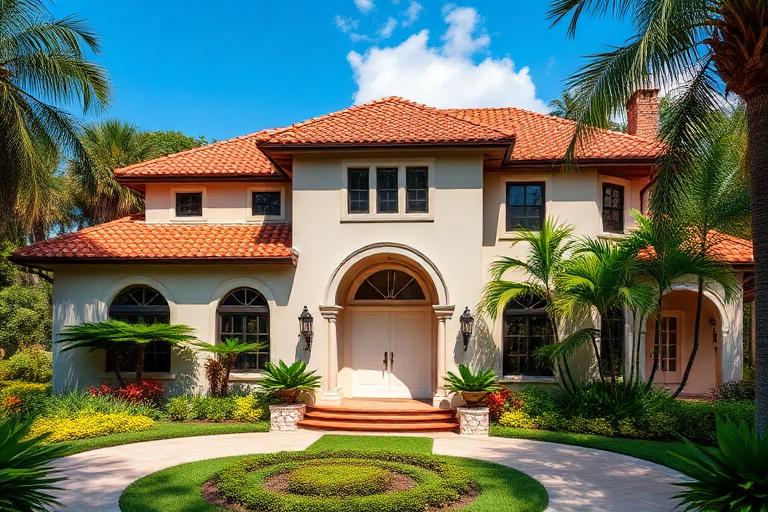
What property types can buyers encounter?
Single-family homes
A house and its land. The evaluation combines the structure with the lot, the street and micro-location, the architectural character of the property and its condition and renovation history. Maintenance and capital repairs are generally handled directly by the owner, subject to any HOA or other association responsibilities that apply to the specific property.
Waterfront homes
A house and land with an additional site layer where the parcel meets the water. That layer introduces its own conditions and verification work, and what it involves differs from one address to the next.
Condominiums
Ownership of a unit within a building governed by an association. The unit's floor, exposure, layout and parking matter alongside the building's condition and services and the association's documents, budget and ownership costs.
Private and community-governed homes
Single-family or waterfront property that is also subject to community or association rules where applicable. Access arrangements, assessments, approval procedures and use restrictions are set by that community's own documents and vary between them.
The general ownership comparison between condominiums and houses is handled in the condominium and single-family comparison. This guide stays with how those choices present themselves specifically in Coral Gables.
Why lot and street matter for houses
For a Coral Gables house, the parcel is part of the product. Lot size and shape, frontage, orientation and usable outdoor space can affect how the property functions and what future changes may be feasible, and two houses with similar interior area can differ materially once the site is considered.
How the house sits on the lot is a separate question: setbacks from the street and from neighbors, the position of outdoor space, where the driveway and entry fall, and how light reaches the interior through the day. Those are evaluated by standing on the property rather than from a floor plan.
The street adds another layer. Street configuration, through traffic, proximity to intersections or commercial edges, and the character of the surrounding properties all shape privacy, light and noise context for a specific address. A block that suits one buyer may not suit another, and neither conclusion generalizes to the city.
Where a buyer intends future additions or changes, what is possible depends on the applicable zoning, setbacks, lot coverage and review requirements for that parcel. Those should be verified before any plan is priced into an offer.
Architecture and condition
Coral Gables contains a wide range of architectural styles, construction ages and levels of renovation. That variety is relevant to a buyer less as a stylistic matter and more because architecture, age, condition and prior work can affect the maintenance, renovation and verification questions a buyer should consider.
Property-specific checkpoints can include: the condition of the structure, the roof and building systems, the quality and documentation of prior renovation work, whether permits were required and, where applicable, properly closed out, and the condition of the exterior, driveway, landscaping and any pool or outdoor structures.
Architectural character can also affect the process for future work. Depending on the property and the scope of what is proposed, exterior changes may involve design review or additional requirements. That is a property-specific question confirmed with the City of Coral Gables rather than estimated from the style of the house.
Renovation, rebuilding and historic review
When a purchase depends on changing the property, the review framework matters as much as the construction budget. Zoning, setbacks, lot coverage, design-review requirements and any historic designation can each affect what may be built and what process applies.
Age or style alone does not establish that a property is historically designated. Designation status and applicable municipal review requirements should be verified for the exact address with the City of Coral Gables before relying on renovation or rebuilding assumptions.
The practical sequence is to verify the property's status and process before pricing renovation or rebuilding plans into the purchase. Nothing here is legal advice, and no approval or timeline should be assumed in advance of that verification.
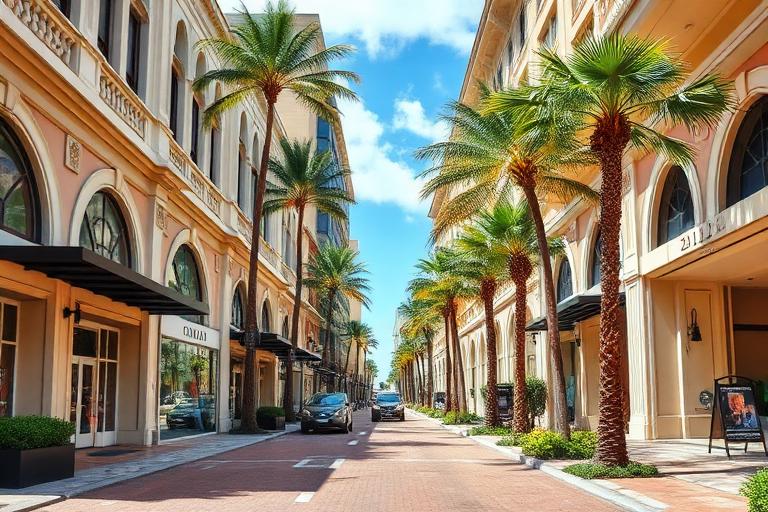
Where should buyers look inside Coral Gables?
It is more useful to think in terms of search environments than in terms of a ranking. The categories below describe structural differences in what a buyer will encounter, not a judgment about which is better.
Established residential streets
Single-family homes with wide variation in lot, street configuration, architectural style and condition. Properties on the same street can differ meaningfully once the site and the renovation history are considered.
Waterfront areas
Properties where the parcel meets the water carry an additional site layer. Frontage, orientation, shoreline condition and any dock or water access differ by address and are verified individually rather than assumed from the area.
Private and community-governed areas
Some Coral Gables residential areas are organized around a community association with its own documents, access arrangements and approval procedures. Gables Estates and Cocoplum are examples of community-governed areas, and each has its own structure. What applies to one does not describe the other, and the governing documents for the specific community answer the practical questions about fees, approvals and use.
Downtown and urban condominium environment
Near the commercial core, the inventory shifts toward condominium buildings. The relevant analysis shifts with it: the unit and its position in the building, the building's age, condition and services, and the association's documents and ownership costs matter more than a general description of the area.
Buying a Coral Gables house
A house purchase in Coral Gables generally comes down to a consistent set of property-level questions:
- Structure, condition and the state of the roof and building systems.
- The lot and how the site functions — size, shape, orientation and usable outdoor space.
- The street and micro-location, including traffic, surroundings and privacy context.
- Architectural character and what it may imply for future exterior work.
- Renovation and permit history, including whether prior work was properly closed out.
- Any property-specific restrictions from zoning, designation or an association.
- Flood and insurance circumstances where relevant to the address.
- What is currently competing for the same buyer and which closed sales are genuinely comparable.
The full purchase sequence, from search through closing, is covered in the Miami buying process guide.
Buying a Coral Gables condominium
A condominium purchase brings the unit, the building and the association into one decision. On the unit side, the layout, condition, floor, exposure and view can materially shape the ownership experience, along with parking and storage arrangements.
On the building side, age, condition, services and how the property has been maintained matter. On the association side, the documents, budget, reserves, any assessments and the insurance arrangements apply where relevant, as does any lender or project review that affects financing in that building.
Current competing units in the same building or a genuinely comparable building can be more relevant to a property-level comparison than a city-wide average. The document-level mechanics of condominium diligence are covered in the Miami condominium buying guide.
Waterfront in Coral Gables
Waterfront is not a single condition. A water view, waterfront ownership and usable boat access are three different things, and a property can have one without the others.
Where the parcel meets the water, the shoreline and any seawall or dock carry their own condition and permit questions. Where boating matters, water depth, routes and bridge clearances are practical constraints specific to the address rather than to the area. Not every waterfront property has a dock, and not every dock supports every vessel.
Flood and insurance circumstances are likewise property-specific. The deeper technical diligence for a waterfront purchase is handled in the Miami waterfront homes guide.
Private and gated community considerations
Where a property sits within a community-governed area, the community's structure becomes part of the purchase. Access arrangements, how common areas are owned and maintained, assessments and fees, approval procedures for buyers or for renovation, and rules about use can all differ between communities.
"Gated" and "private" are descriptive terms rather than standardized promises, and access control is not a security guarantee. What actually applies is set out in the documents for the specific community. A citywide view of how these communities are organized is covered in the guide to Miami gated and private communities.
Flood and insurance
Flood and insurance analysis should be based on the exact property rather than generalized from the city as a whole. The relevant inputs generally include the flood zone applicable to the parcel, elevation, construction type and age, the coverage being arranged, and any conditions a lender attaches where financing is involved.
Because those inputs vary property by property, this guide carries no cost figures and no blanket statement about what is required. Those answers come from the insurance and lending professionals working on the specific transaction.
New construction and existing homes
Both exist in Coral Gables, and they call for different diligence rather than ranking against each other. An existing home raises questions about condition, systems, renovation history and whether prior work was permitted and documented.
New or custom construction raises questions about construction quality, the contract and build process, how the house relates to the lot and site, and the documentation delivered at completion. Neither path is automatically lower-maintenance or better suited to a given buyer. The process side of buying new construction is covered in the Miami new construction guide.
Total ownership obligations
Comparing properties on price alone can mislead, because ownership obligations differ by property type and by property. A more useful comparison looks at the whole picture:
- Purchase price
- Financing costs where applicable
- Property taxes
- Insurance
- Condominium, HOA or community fees where applicable
- Assessments where applicable
- Direct maintenance the owner carries
- Foreseeable repairs over the intended holding period
- Utilities and services
- Parking and storage arrangements for condominiums
- Waterfront or site-related costs where relevant
These are budgeting categories rather than tax or legal guidance, and the figures behind them are specific to the property and to the buyer's circumstances.
How to compare two Coral Gables properties
For price and comparable analysis, a comparison is easier to interpret when it begins with genuinely similar property types and then narrows:
- For houses, compare similar streets and micro-locations, similar lots, and a similar condition and renovation level.
- For condominiums, compare within the same building where possible, or a genuinely similar building and association, accounting for floor, exposure and unit position.
- For waterfront, add the site, shoreline and water-access characteristics to the comparison.
- Read what is currently competing alongside recent, genuinely comparable closed sales.
- Treat price per square foot as context among genuinely comparable properties rather than as a conclusion on its own.
How comparable evidence is selected and interpreted in more depth is covered in how Miami property value is determined.
What to verify before making an offer
- What exactly is the ownership structure and property type?
- What do the lot, the street, the building or the site change about this property?
- What condition and inspection questions remain open?
- What does the renovation and permit history show, and where permits were required, were they properly closed out?
- If future work matters, what zoning, historic or design-review requirements apply?
- If a condominium, what do the association documents, fees and assessments show?
- If a community-governed property, what rules and approval procedures apply?
- If waterfront, what do the shoreline, seawall, dock, access and flood circumstances show?
- What insurance and lender requirements apply to this property?
- Which recent closed properties are genuinely comparable, and what is currently competing?
- Are there restrictions relevant to the intended use of the property?
- What total ownership obligations are foreseeable over the intended holding period?
These are diligence questions rather than legal or tax conclusions, and the terms of any particular contract are a separate matter. Where the answers carry legal, insurance or tax consequences, they belong with the appropriate licensed professional.
Current inventory and market context
This guide is written to remain accurate over time, so it carries no listings, prices or current figures. Those live elsewhere: Miami property search is the current search interface, and the Miami real estate market page covers broader current conditions. What this article contributes is the interpretation layer: how to read Coral Gables property choices once a buyer is looking at specific addresses.
A sensible next step
For orientation to the city itself, the Coral Gables community page covers place and lifestyle. For what is currently available, use Miami property search. For the full purchase sequence, see the Miami buying process guide, and where representation is the question, Javier's buyer representation explains how that work is handled. The condominium, waterfront and private-community guides are worth reading when the property type calls for them.