What Is My Miami Home Worth? How Property Value Is Determined
This guide expands on Javier's property-specific Miami valuation.
Short answer
No responsible article can state what one home is worth from a citywide average. A value opinion begins with genuinely comparable recent closed sales, adds what is currently competing for the same buyer, and then accounts for the property-specific differences — property type, micro-location, condition, improvements, lot or building context, and waterfront characteristics where they exist — that determine which evidence actually applies. This guide explains the process and the factors; it cannot tell you the value of your property without property-specific evidence. A valuation of one specific address is requested through the Miami home valuation page.
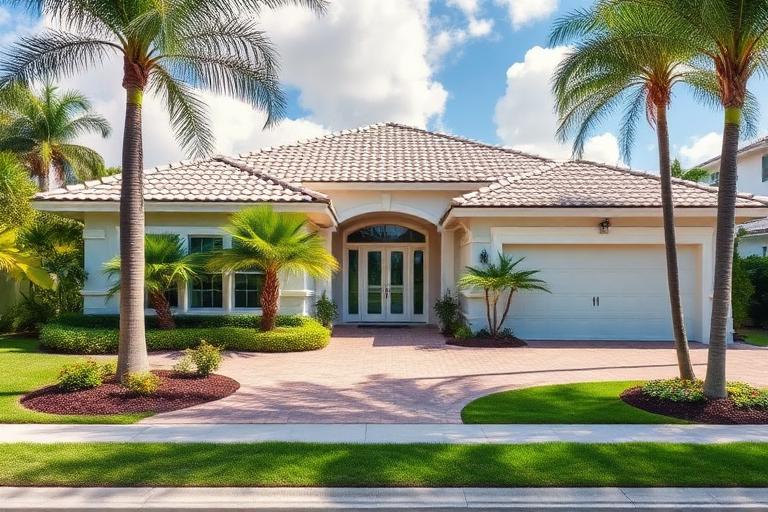
Market value is property-specific
A market-value opinion is built by comparing one property against the evidence that is relevant to it. It is not produced by taking a city or neighborhood median and multiplying it by square footage. Two properties described the same way on paper can sit in different buildings, on different streets, on different lots, in different condition and in front of different buyers, and each of those differences changes which sales are informative.
That is why the useful question is not "what are Miami homes worth" but "which properties would a buyer for this one realistically consider, and what did those properties actually sell for." The rest of this guide works through the components of that answer: comparable sales, current competition, micro-location, property type, condition and improvements, lot or building factors, waterfront characteristics where they apply, and the market context in which the evidence is read.
Start with genuinely comparable closed sales
Closed sales matter because they are confirmed price evidence: amounts a buyer and a seller actually agreed on and completed. They are not the only evidence that informs a value opinion, but they are the part that has been tested by an actual transaction rather than proposed by one side.
What makes a sale comparable depends on the subject property. The criteria that commonly matter include:
What a comparable sale should match
- Micro-location. The same or a genuinely similar street, block, enclave or building context — not merely the same general area.
- Property type. House compared with house, condominium with condominium, and for a condominium, the same or a genuinely similar building.
- Size and layout. Comparable interior size and a layout a buyer would treat as equivalent, along with the lot or site where applicable.
- Condition and renovation level. A recently renovated property and one needing work are not interchangeable evidence.
- Site, waterfront and view characteristics. Where those exist, they belong in the comparison rather than in a footnote.
- Timing and current relevance. Whether the sale still describes the environment a buyer is operating in today.
There is no universal radius or date window that makes a sale comparable. Where a segment has frequent relevant sales, close and recent evidence may be available. Where a property type or price level has fewer relevant transactions, the analysis may need to use older or less-direct evidence while being explicit about how it differs, rather than to apply a rule that happens to produce a convenient list.
Why "nearby" is not enough
Proximity is a starting filter, not a conclusion. Two properties a short distance apart can differ in ways that a buyer weighs heavily: they may sit in different buildings with different services and association contexts, on different streets with different surroundings, on lots of different size, shape or orientation, in materially different condition, with or without waterfront or a view, and with different histories of renovation and permitted improvement.
Those differences can materially affect comparability even when two addresses are close. A value discussion should therefore describe the specific property attributes and the alternatives a buyer would realistically consider rather than rely on proximity or a neighborhood label alone.
Current competition matters too
Closed sales describe what has already happened. Active listings describe the choice a buyer has today: when a buyer has several genuinely comparable alternatives available at the same time, those listings can affect how the subject property should be positioned alongside the closed-sale evidence.
Asking prices, however, are requests rather than confirmed value. A listing can sit at a number no buyer has agreed to. Properties under contract can add context where reliable information about them is available, but the terms and the final agreed price may not be known until the sale closes. Treating pending activity as settled evidence introduces a precision that does not exist yet.
Price per square foot: useful, but limited
Price per square foot is a comparison aid. Among properties that are already similar in type, location, condition and site, it can help organize the evidence and highlight an outlier worth examining. Applied across different property types, buildings, lot sizes or condition levels, it flattens exactly the differences a buyer is paying attention to.
It is also not a formula. A figure derived from one competitive set does not transfer to another, and the same number can describe very different properties. For what the common market metrics mean and how they should and should not be read, the guide on Miami real estate market metrics covers the definitions in detail.
Property type changes how value is determined
Single-family homes
A house is evaluated as a combination of the structure, the lot or site, the condition of both, the street and micro-location, and the property attributes that a buyer in that segment weighs — layout, outdoor space, parking, systems and documented improvements among them. Because no two lots are identical, the site is part of the comparison rather than background.
Condominiums
A condominium involves two subjects at once. The residence contributes floor, exposure, view, layout, condition, parking and storage. The building contributes its condition and context, recurring costs and any assessments where applicable, the association and document context that applies, and the units currently competing inside the same building. The building context should therefore be considered alongside the unit rather than treated as neutral.
Waterfront properties
Where a property has waterfront, the site characteristics become part of the analysis rather than a label attached to it. Frontage, orientation, how the site meets the water, view, and any dock, lift or seawall together with their condition are separate factors that are specific to an address.
Luxury and distinctive properties
For a more distinctive property, the genuinely comparable set may be narrower, which can make each comparison and property-specific difference more consequential to the analysis. The method does not change; the evidence simply requires more explanation and more property-specific judgment.

Condition and improvements
Condition matters because a buyer is comparing what they receive on the day of closing, along with the work they can foresee and the uncertainty they cannot. Between otherwise similar properties, differences in condition and the amount of foreseeable work can affect how buyers compare the alternatives.
Renovations do not add value on a cost-for-cost basis. What a completed improvement contributes depends on the quality and durability of the work, the condition of the property before and after, whether the improvement is something buyers for that property actually want, what competing properties already offer, and what comparable evidence shows for similar improved properties. An improvement can be worth doing for the way a property presents and still not return its cost as a line item.
Permits and documented improvements
Documentation of work performed on a property helps clarify what actually exists and how the property should be compared against others. Where improvements are documented, the available records can make it easier to understand what work exists and how the property should be compared.
Where work is undocumented or a permit question is unresolved, it can raise questions during a transaction and complicate how the property is compared. That is a practical observation rather than legal guidance; specific permitting questions belong with the applicable local building department or with an attorney.
Lot, land and site factors
Where a property includes land, the site is part of what is being valued. Lot size, shape and orientation, the amount of genuinely usable outdoor area, the street and immediate surroundings, and any waterfront or site characteristics all influence which sales are comparable and how the subject differs from them.
None of these carries a universal premium. A larger lot is not automatically worth more to every buyer, and outdoor space that is usable in one configuration may be much less useful in another. The contribution shows up in the comparison against specific alternatives, not in a general rule.
Condominium building factors
For a condominium, the building context belongs in the value discussion alongside the unit. That commonly includes the building's condition and overall context, recurring fees and any assessments where applicable, the association financial and document context that applies to that building, the units currently competing inside it, and unit-level attributes such as floor, exposure, view, parking and storage.
These are valuation inputs rather than a diligence checklist. The detailed building and document review a buyer works through is covered in the Miami condo buying guide, and what applies to a specific building should be verified for that building.
Waterfront factors
Waterfront is not one attribute with one adjustment. A water view, water frontage, and direct water access are different things, and a property can have one without the others. Where they exist, frontage, orientation, how the site meets the water, and any dock, lift or seawall along with condition and permit history are evaluated individually.
Nothing about navigability, route or vessel suitability should be assumed from a general description — those are verified for a specific address. The technical review involved is set out in the Miami waterfront homes guide.
Market context versus one property's value
Current conditions shape the environment in which comparable evidence is read: how much competition exists, how quickly evidence becomes stale, and how confidently a range can be drawn. What they do not do is convert into a percentage that applies to an individual property. A figure reported for Miami as a whole describes many submarkets, property types and price levels averaged together.
For current broad conditions, the Miami real estate market page is the place to look, and the market metrics guide explains what the underlying indicators actually measure.
Automated estimates and online value tools
Automated valuation models can be useful as broad orientation, particularly for someone who wants a general sense of a market before doing anything else. They are produced from the data available to the model and the inputs it is designed to weigh.
What they may miss or model imperfectly are the property-specific factors: interior condition and finish level, the quality of improvements, floor, exposure and view in a condominium, building context, lot or site characteristics, and waterfront attributes. That is a description of what a model can see, not a criticism of any particular tool, and it does not mean a broker opinion is automatically closer to a future sale price. Both are opinions; they differ in what evidence they can incorporate.
Broker valuation versus appraisal
A comparative market analysis or broker valuation is a market-positioning opinion, prepared to support a seller's or a buyer's decision about how a property sits relative to the evidence and the current alternatives. It is not an appraisal.
An appraisal is a separate opinion of value prepared by a licensed or certified appraiser, and it may be used for lender, transaction or other purposes depending on the circumstances. Whether a formal appraisal is required for a particular purpose depends on the situation and should be confirmed with the lender, attorney or accountant involved rather than assumed from a general article.
Narrowing broad data down to your property
Value can be misread when a broad market figure is applied directly to a specific property. The hierarchy below is one practical way to narrow the evidence from broad context toward the individual property.
From market data to one property
- The Miami market. Useful as environment, too broad to describe any one property.
- The submarket. The area or enclave the property actually competes in.
- The property type. House, condominium, townhouse or waterfront property — different evidence sets.
- The building or street. For a condominium the building; for a house the street and immediate surroundings.
- The price level and competitive set. The alternatives a buyer for this property would realistically consider.
- Genuine recent comparable sales. Confirmed evidence from that set rather than from the level above it.
- This property's condition and features. The final adjustments that distinguish the subject from the evidence.
Questions to ask when reviewing a valuation
A valuation opinion should be supported by evidence that can be explained and reviewed. These are reasonable questions for a homeowner to ask about any value opinion:
- Which closed sales were used, and why is each one considered comparable to this property?
- What meaningful differences between those sales and this property require adjustment or context?
- What is currently competing for the same buyer, and how does this property compare against it?
- Are there property-type, building or site factors that the analysis has not addressed?
- How recent is the evidence, and is it still relevant to current conditions?
- Are asking prices anywhere being treated as if they were confirmed sale prices?
- Are any improvements on this property undocumented, and does that affect the comparison?
- For a condominium, are fees, assessments or building context relevant and accounted for?
- For a waterfront property, are the site and water-related attributes verified rather than assumed?
- Which market assumptions in the analysis are current, and which may already be stale?
- What range and what degree of uncertainty exist, rather than a single number implying precision?
- What additional information about the property would make the opinion more reliable?
If you are thinking about selling
Understanding how value is determined is one step, and it is separate from planning a sale. Preparation, pricing strategy and the sequence of a listing are covered in the guide on selling a Miami house for maximum value, and representation through the transaction sits with Javier's Miami selling services.
Next step
- To have one specific property reviewed, request a Miami home valuation.
- For current broad Miami conditions, see the Miami real estate market page.
- To understand the metrics behind those figures, read the market metrics guide.
- If a sale is actually being prepared, Javier's selling services cover representation.