How to Buy Property in Miami: The Complete Buyer's Guide
This guide expands on Javier's private buyer representation in Miami.
How do you buy property in Miami?
In sequence: establish how the purchase will be structured and what the total budget realistically supports, narrow the property type and area, review live inventory alongside genuine recent comparable sales, tour and evaluate a shortlist, make an offer supported by evidence and sound terms, move into contract with its deposits and deadlines, complete inspections and property-specific due diligence, review the building and association where applicable, finalize financing and appraisal where applicable, prepare title and insurance, then complete a final walkthrough and close. The order rarely changes; the work inside each stage does.
What Should You Know Before Buying Property in Miami?
The single most useful thing to understand at the outset is that Miami is fragmented. A high-rise condominium, an association-governed townhouse, a single-family house on a lot and a waterfront residence are not variations of the same purchase — they carry different ownership costs, different diligence, and different obligations after closing. Buyers who search across all of them at once tend to compare properties that cannot be meaningfully compared.
The second is that the purchase price is only part of what you are committing to. Insurance, taxes, association dues and any assessments, maintenance and, for waterfront property, the upkeep of structures on the water all form the real cost of ownership. Two properties with the same asking price can hold very different annual costs, and that difference should shape the search rather than surface at closing.
The third is that the process rewards preparation over speed. Financing conversations, insurance quotations, association documents and inspection scheduling all take time, and buyers who begin them early preserve the option to negotiate. Two questions naturally sit next to this one but belong to their own pages: whether to buy now or wait is examined in Javier's guide on whether now is a good time to buy in Miami, and the conditions of the moment are tracked in his analysis of the current Miami real estate market. This guide assumes you have decided to buy and focuses on how the purchase is actually executed.

How Does the Miami Home Buying Process Work?
The sequence below is the working structure of a Miami purchase. Some stages compress or run in parallel depending on the property and the terms negotiated, and a purchase without financing skips parts of steps nine and ten. None of this is legal advice: the contract you sign governs your transaction, and its terms should be reviewed with your own attorney where appropriate.
Determine the purchase method and a realistic total budget
Everything downstream depends on this. If the purchase is financed, speak with a lender before touring so that you understand what you qualify for and what documentation will be required later. If it is not financed, confirm how and when funds will be available and in what form, because sellers weigh certainty as well as price. Then extend the budget past the purchase figure to the cost of holding the property: taxes, insurance, association dues and assessments where applicable, utilities, maintenance and the reserve you want to keep intact after closing.
Define property type and area criteria
Decide what you are actually buying before deciding where. A high-rise condominium, a single-family house on a lot, a townhouse and a waterfront residence carry different maintenance profiles, different diligence and different ownership obligations. Once the type is settled, area criteria become concrete: commute, schools where relevant, lifestyle, lot or building characteristics, exposure to flood considerations, and the rules and costs attached to any association.
Review live inventory and genuine recent comparables
Search current availability in your segment and, in parallel, study what genuinely comparable properties have recently sold for. Those two data sets do different jobs: available inventory shows the competition you face, while closed sales show what buyers actually paid. Portals are a starting point, not a complete picture — the live Miami listing search is where a serious shortlist is built.
Tour and evaluate the shortlist
Touring is evaluation, not entertainment. Note condition and apparent age of major systems, layout and light, noise and exposure, parking and storage, the state of common areas in a building, and how the property compares with the others on your list rather than with photographs. Visit at different times of day where you can; a street or a view can change character between morning and evening.
Make an offer based on evidence and terms
An offer is a package, not a number. Price is anchored to comparable evidence and current competition — not to what the seller originally asked. Around it sit the terms that often decide the outcome: deposit structure, the diligence and inspection periods you need, any financing and appraisal contingencies, association approval where applicable, the closing date, and which items convey. A well-structured offer at a defensible price can be more compelling than a higher offer whose terms create more uncertainty for the seller.
Contract, escrow and deadlines
Once terms are agreed, the executed contract governs the transaction: the deposit and where it is held, the dates by which each step must occur, the conditions under which either party may proceed or withdraw, and the obligations of both sides. Deadlines in a real estate contract are consequential, and the specific terms differ by transaction. Read the contract with your own attorney where appropriate — this guide describes the shape of the stage, not the legal effect of any particular agreement.
Inspections and property-specific due diligence
Order inspections promptly so that findings arrive with time to respond. Beyond a general inspection, consider the specialists the property calls for, review permit history where the property shows additions or alterations, and obtain insurance quotations early — insurance can affect both cost and feasibility. Findings become information for a decision: proceed, renegotiate, request repairs, or withdraw under the terms available to you.
Building and association review, where applicable
For a condominium or an association-governed home, the association is part of what you are buying. Review the budget and reserve position, current fees, recent and pending assessments, insurance, condition information the association provides, recent meeting minutes, and rules on leasing, renovation, pets, parking and storage. The detailed mechanics, documents and review periods are covered in Javier's guide to buying a condo in Miami.
Finalize financing and appraisal, where applicable
A financed purchase runs a parallel track: underwriting, documentation requests, and any appraisal or property/building review the lender requires. Respond to requests quickly and avoid changes to your financial position — new credit, large transfers, a change of employment — while the file is open. If a valuation comes in below the contract price, the response depends on the terms you negotiated.
Title, insurance and closing preparation
In parallel, title work examines the record for matters affecting ownership, and any issues identified are addressed before closing. A survey may be relevant depending on the property and any lender requirement. Confirm that any coverage required by the lender, and any coverage the buyer has elected to carry, is effective when needed for closing; flood coverage may be relevant depending on the property and transaction. Your closing agent will confirm the figures for your specific transaction, including prorations and the funds required and how they must be delivered.
Final walkthrough and closing
Shortly before closing, walk the property again: confirm its condition is materially as agreed, that agreed repairs were completed, that included items remain, and that systems operate. Raise anything unexpected before signing rather than after. At closing, the required documents are signed and funds are disbursed according to the transaction. The closing/title professionals handle the deed and recording process, while the closing documents govern when title and possession are delivered.
How Should Buyers Choose an Area in Miami?
Area selection is best treated as a filter built from your own requirements rather than a ranking of neighborhoods. Six factors do most of the work:
- Daily reality — commute, schools where relevant, and the routines the location has to support
- Property type — whether the area actually holds the kind of residence you want
- Lot or building — land, privacy and orientation for a house; construction, amenities and management for a building
- Water and flood exposure — elevation, flood-zone information and their effect on insurance
- Association rules and fees, where the property is governed by one
- Total ownership cost — the annual figure, not the asking price
Applied concretely, those filters point in different directions. A buyer who wants a lock-and-leave residence with services and walkability is looking at a Brickell condominium. A buyer who wants land, privacy and a school catchment is looking at a Pinecrest house. A buyer who wants an established residential setting with architectural consistency is looking at a Coral Gables residence. Each implies a different diligence scope and a different cost structure — which is exactly why the area question should follow the property-type question rather than precede it.
What Type of Property Are You Buying?
The property type determines what the rest of the process looks like. These are the practical differences for a buyer, kept to what changes in the transaction itself.
Single-Family Home
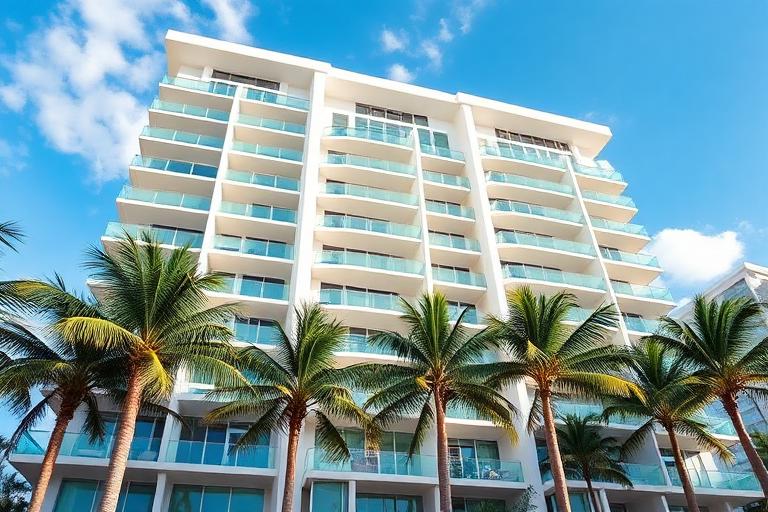
You own the structure and the land, which means broader physical diligence — roof, structure, systems, drainage, permit history for additions and alterations — and full responsibility for maintenance afterwards. Unlike many condo purchases, a single-family purchase typically does not involve a condominium association buyer-approval process, though HOA or community requirements may still apply. The timeline is therefore often driven more by inspections, title work and, where relevant, lender requirements.
Condominium
You are buying a unit and a share of a building, which adds a second layer of review: the association's finances and reserves, fees, assessments, insurance, building condition and the rules that will govern how you use and lease the residence. Some buildings also have an approval process for buyers. The full mechanics — the documents, what to look for in them, and how the review fits the transaction — are covered in Javier's guide to buying a condo in Miami.
Waterfront Property
Waterfront adds a category of diligence that does not exist elsewhere: the structures on the water and the permits attached to them, navigational access, and elevation, flood and insurance considerations. The questions are specific enough to warrant their own treatment, which Javier sets out in his guide to Miami waterfront homes.
New Construction
A new-development purchase generally proceeds under the developer's contract rather than a resale agreement, with a deposit schedule, a delivery timeline and a specification for finishes. Inspection points differ from an existing home, and warranty arrangements may apply after delivery. Because terms are set by the developer and vary by project, the contract and deposit structure deserve careful review with your own advisors. Current projects can be reviewed through Javier's Miami new developments overview.
Luxury Residences
At the upper end, the process is the same but the specifics intensify: the comparable-sale set can be thinner for highly specialized residences, there are more specialized property features to evaluate, and discretion shapes how transactions are handled. Buyers exploring the category more broadly can start with Miami luxury real estate.
What Costs Should a Miami Buyer Plan For?
Use the list below as a planning checklist rather than a budget. Which items apply, and what each one amounts to, depends entirely on the property, the structure of the transaction and any lender involved — so obtain written estimates from your lender, closing agent and insurance advisor for the specific property before you rely on any figure.
Purchase funds, or the down payment where the purchase is financed
The escrow deposit called for by the contract
Inspections, including any specialist inspections the property calls for
An appraisal, where financing is involved
Lender-related charges, where financing is involved
Title-related and closing-agent charges, and recording items
Property insurance, and flood coverage where applicable
Property tax prorations handled at closing
Association dues and any assessments, where applicable
Immediate repairs, maintenance or improvements after closing
A reserve you intend to keep intact after the purchase
A common planning error is treating closing as the finish line. Insurance, taxes, association dues, maintenance and the improvements you intend to make all continue afterwards, and a purchase that leaves no reserve behind is fragile even when the numbers work on paper.
Condo-Specific Review Before Buying
When the property is a condominium, the building is part of the purchase. A working review generally looks at:
- The association's budget and reserve position
- Monthly fees and what they include
- Recent and pending special assessments
- The association's insurance coverage
- The physical condition of the building and any planned work
- Structural inspection and reserve-study information the association provides where those requirements apply — these are distinct obligations, and what applies depends on the building
- Recent meeting minutes, which often reveal issues before they appear elsewhere
- Rules on leasing, renovation, pets and use
- Parking and storage rights, and how they are assigned
Requirements in this area are technical and building-specific, so treat what an association provides as the starting point for questions and confirm the specifics with the association and your own advisors. The full treatment, including the documents themselves, lives in Javier's condo buying guide.

Waterfront-Specific Review Before Buying
Where a property sits on the water, add a focused checklist to the standard diligence:
- Seawall condition, age and any history of repair
- Dock and lift condition, permit records for existing improvements, and any approvals or documentation relevant to continued use
- Water depth at the dock and any bridge or air-draft limitation for a vessel
- Flood-zone designation, elevation information and their effect on insurance
- Insurance availability and cost for the specific property
- Orientation and exposure — sun, wind, and the practical use of outdoor space
These items can materially change both the cost and the enjoyment of a waterfront home, and they are examined in detail in the Miami waterfront homes guide.
Buying From Outside Florida or Remotely
Many Miami purchases are made by buyers who are not in the city for most of the process. What changes is coordination rather than substance: video and live-streamed tours to build the shortlist, electronic document handling where permitted, an inspection schedule that runs without you present, and a closing team experienced with remote buyers. Where you can, plan one visit to see the shortlist in person — photography rarely conveys light, noise or exposure.
The mechanics of completing a transaction at distance are covered in Javier's guide to how Florida real estate closings work remotely. Buyers purchasing from outside the United States face additional considerations that belong to their own page — see buying Miami property from outside the U.S. — and should take independent legal and tax advice for their circumstances.
Questions to Ask Before Buying a Miami Property
These are the questions that surface the issues worth knowing before contract rather than after closing:
What have genuinely comparable properties recently sold for — and how comparable are they really?
What is the full annual cost of owning this property, beyond the purchase price?
What is the condition and approximate age of the roof, structure, systems and finishes?
Does the permit history match what has physically been done to the property?
What will insurance cost here, and is coverage readily available for this property?
For an association property: what are the fees, the reserve position, and any recent or pending assessments?
What restrictions apply to leasing, renovation, pets, parking, storage or use?
For waterfront: what is the condition and permit status of the seawall, dock or lift, and what are the depth and access limitations?
What is the flood-zone and elevation information for this property?
How specialized is this property, and who would the likely buyer be if I resold it?
A good purchase is not the one made fastest. It is the one where the property, the diligence and your own circumstances were all understood before the deadlines arrived.
Your Next Step as a Miami Buyer
The process becomes real the moment it is applied to actual properties. To see what your segment currently offers, begin with a live search of current Miami listings and shortlist against the criteria in this guide.
Buyers who want the work handled — comparable analysis, offer strategy, coordination of inspections and association review, and negotiation through to closing — work with Javier directly through his private buyer representation in Miami. This guide explains the process; representation is what executes it on a specific transaction. Nothing here is legal, tax, mortgage or investment advice.