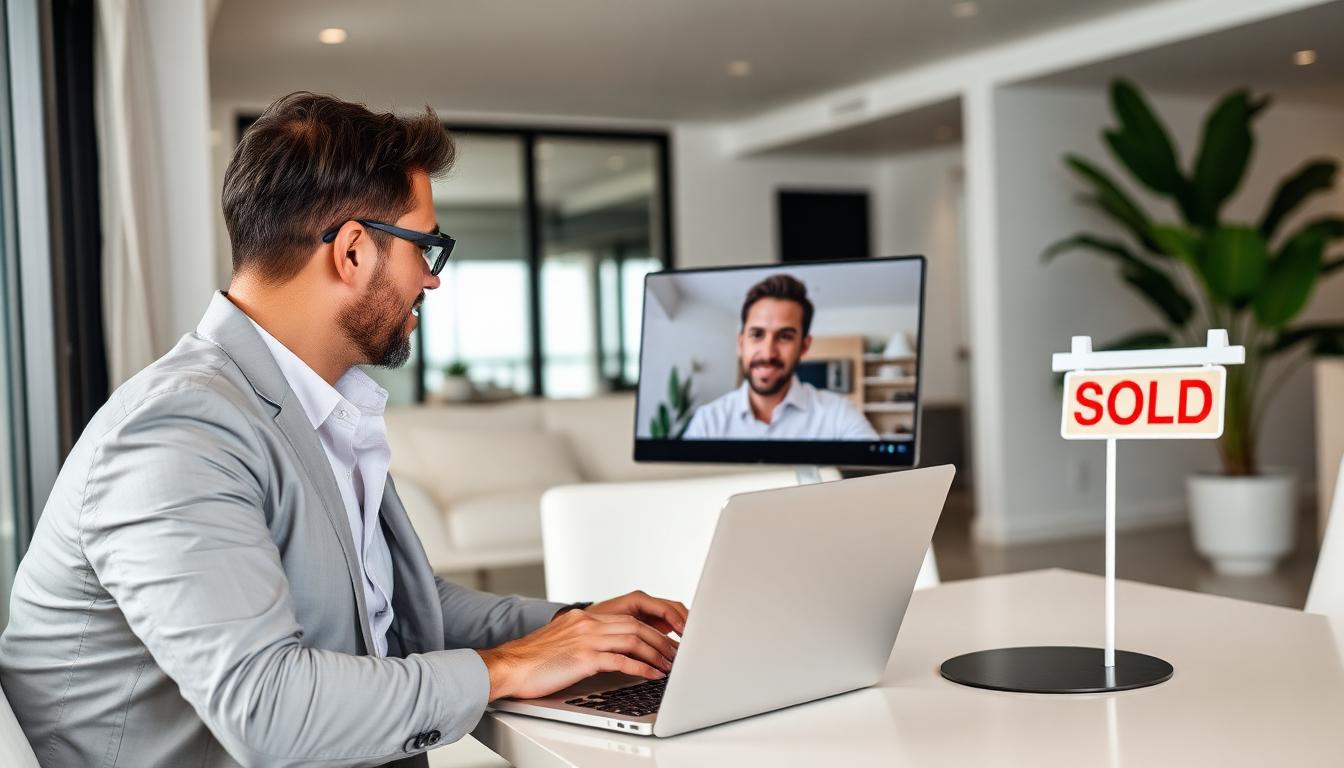
How to Sell Property in Miami from Abroad
Selling a Miami property while living outside the United States is a documented, well-established process. What it demands is coordination: representation on the ground, correct paperwork, and a closing sequence planned around your time zone.
Discuss selling your Miami property
Tell Javier about the property and your timeline. He replies personally.
Whether you purchased an investment property, a vacation home or a residence you have since relocated from, this guide expands on Javier's Miami selling advisory and explains every aspect of selling remotely — legal requirements, tax obligations, marketing and closing logistics.
Why representation decides the outcome for an absentee owner
When you are not in Miami, your broker becomes the person who sees the property, manages the vendors and controls the information flow. That role is far wider than a listing.

Someone has to be physically present
Access for photography, inspections, appraisals and showings all require coordination on site. Selecting the right Miami real estate agent is the decision that makes every other step manageable.
Documented experience with absentee owners
Ask for specific examples of properties sold for owners living abroad and how the logistics were handled. A clear communication protocol across time zones matters as much as neighborhood knowledge.
Coordination with your attorney and CPA
A qualified broker works alongside your Florida real estate attorney and a CPA familiar with cross-border obligations, so FIRPTA handling, document execution and fund disbursement stay aligned rather than discovered late.
A written record of the transaction
Offers, counteroffers, inspection findings and closing figures should reach you in writing, not summarized by phone. Javier's Miami selling advisory is built around the coordination demands of absentee ownership.
This page is general information about selling Miami real estate from abroad, not legal or tax advice. Confirm FIRPTA treatment and your own tax position with qualified counsel and a CPA.
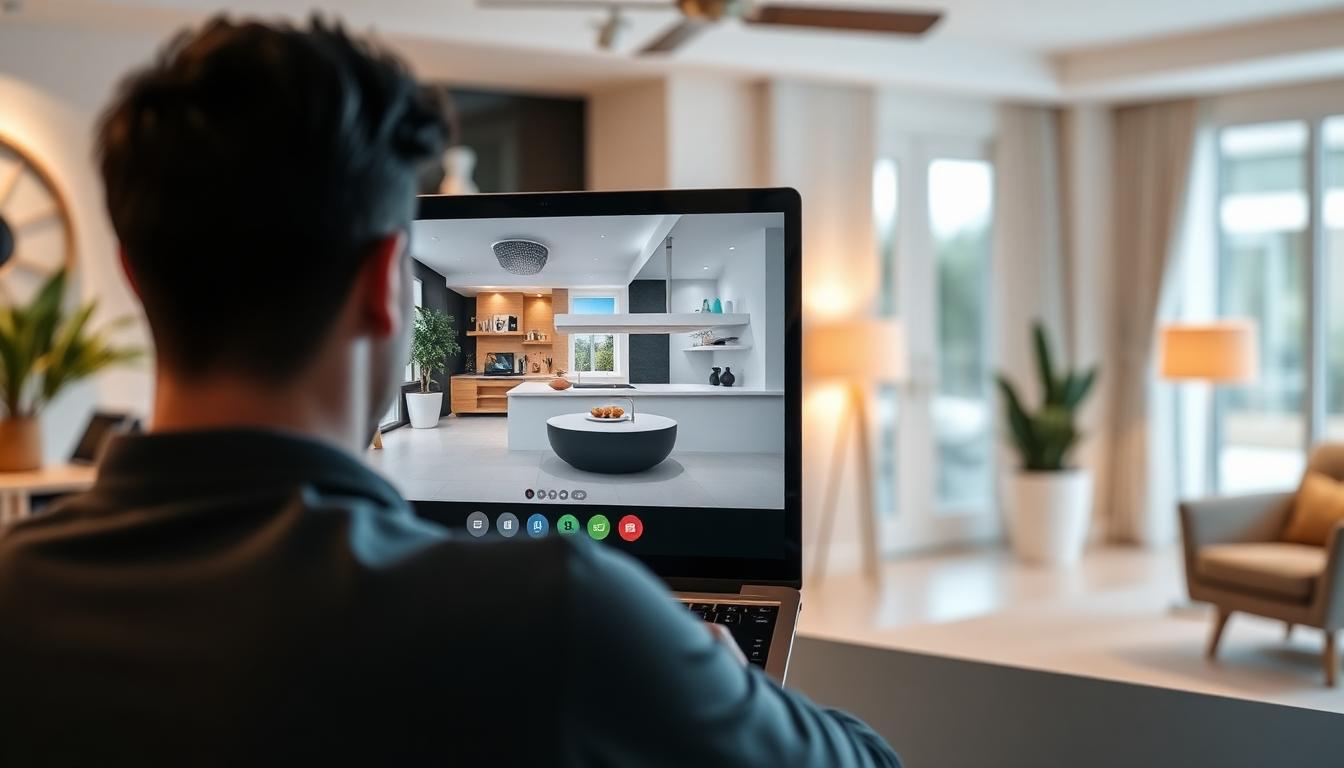
You do not need to travel to complete the sale
Florida law fully supports remote real estate transactions. Foreign owners from Latin America, Europe, Canada and other regions sell Miami properties without traveling to the United States.
The combination of electronic signatures, remote online notarization (RON) and power of attorney arrangements allows the transaction to be completed from abroad. Which of those applies to your sale depends on the title company, the lender if the buyer is financing, and the requirements of the country where you sign.
Understanding the wider process for selling a house in Miami gives remote sellers a solid foundation before the listing goes live.
How a remote sale is managed
The remote sale follows the same framework as a domestic one, with extra coordination for document authentication and fund transfer.
- 01
Engage representation
A comparative market analysis, a listing strategy and a coordination plan for staging, photography and showings, agreed before the property goes live.
- 02
Prepare the property
Cleaning, minor repairs, staging and professional photography can all be coordinated through local vendors and building management on your behalf.
- 03
List and market
The property is listed on the MLS, syndicated to the major portals, and supported by a marketing plan that can include international reach.
- 04
Review and negotiate offers
Offers are reviewed by email and video call. Price, terms, contingencies and buyer qualification are advised in writing and negotiated digitally.
- 05
Execute a power of attorney if needed
If you cannot sign at closing, a POA can authorize a representative. Signed outside the U.S., it typically requires consular notarization or an apostille.
- 06
Inspections and appraisal
The buyer inspects and, if financing, appraises. Access is coordinated with building management or a local contact.
- 07
Closing
Closing takes place at a title company. Documents are signed electronically or through your authorized representative.
- 08
Disbursement
Net proceeds are wired to your designated account after FIRPTA withholding, closing costs, any mortgage payoff and commissions.
Timelines vary with market conditions, pricing, property type and buyer financing, and remote sellers should allow additional time for document authentication. No timeline should be treated as guaranteed.
Presenting a property you are not standing in
Presentation carries more weight when the owner is absent, because the first impression is created entirely by the material the buyer sees before arriving.
Professional photography, 3D virtual tours and drone footage for waterfront properties do most of that work. Staging turns a vacant or tenant-occupied unit into a space a buyer can read quickly, and furniture rental and styling can be arranged locally on your behalf.
Monitoring Miami real estate market trends informs both the pricing decision and the timing of the launch.

Where the listing needs to appear
Reach is a sequence of deliberate placements, not a single upload.
- 01
MLS and portal syndication
The MLS entry feeds the major consumer portals, so the accuracy of that record determines how the property is represented everywhere else.
- 02
International placement
Portals and channels that reach buyers in Latin America, Europe and Canada matter when a meaningful share of demand is not local.
- 03
Agent-to-agent networks
Direct broker outreach reaches buyers already working with representation, which digital channels alone do not capture.
- 04
Targeted digital advertising
Paid placement is aimed at the buyer profile for the property type and price band rather than broadcast generally.
Marketing effort influences exposure and buyer interest. It does not determine market value, and no marketing plan should be presented as a guarantee of a particular price or timeline.
Paperwork specific to a remote seller
Florida was among the first states to authorize remote online notarization, allowing documents to be notarized over a secure audio-video connection with recorded identity verification. Electronic signatures are then applied to the deed, closing statement and ancillary documents.
If you prefer a physical signing, a power of attorney can designate a local representative to attend closing. Signed outside the U.S., a POA typically requires notarization at a U.S. consulate or an apostille under the Hague Convention; your closing attorney will specify what applies in your country.
For the step-by-step mechanics, the guide on how real estate closings work remotely in Florida covers RON sessions, document execution and fund disbursement.
Withholding, gain and refunds
Under FIRPTA, the buyer is required to withhold 15% of the gross sale price and remit it to the IRS at closing when purchasing from a foreign seller. The withholding is a prepayment against your capital gains liability, not the tax itself.
The actual tax depends on the difference between the sale price and your adjusted cost basis, the length of ownership, and any applicable treaty provisions between the U.S. and your country of residence.
If the withholding exceeds your liability, a U.S. tax return claims the refund; in some cases a withholding certificate can be requested before closing to reduce the amount withheld. Both routes take time and should be started early — see the guide on FIRPTA tax obligations explained for foreign sellers.
Receiving funds outside the United States
After closing, the title company disburses net proceeds by wire — sale price less FIRPTA withholding, closing costs, any outstanding mortgage balance and commissions.
Funds can generally be sent to a U.S. account or directly to an international one. International wires take longer to settle and may carry currency conversion and receiving bank charges, so confirm the receiving details with your bank in advance.
Florida imposes no state income tax, but documentary stamp taxes on the deed apply to all sellers regardless of residency; the rate is set by statute and county.
Wire instructions are a common target for fraud. Confirm every disbursement instruction verbally with the title company using a number you already had, and never act on changed banking details sent by email.

Start with a clear view of the property
A remote sale begins with an honest read of where the property sits today: condition, association status, comparable activity and what the market is currently rewarding.
From there, the coordination plan — vendors, access, documents and closing sequence — can be built around your location rather than improvised around it.
International Seller Questions
Can I sell my Miami property without being in the United States?
Yes. Florida law permits remote real estate closings through electronic signatures, remote online notarization (RON), and power of attorney arrangements. Foreign owners routinely sell Miami properties from Latin America, Europe, Canada, and other locations without traveling to the U.S. Your real estate agent and closing attorney coordinate the entire process on your behalf, from listing through closing.