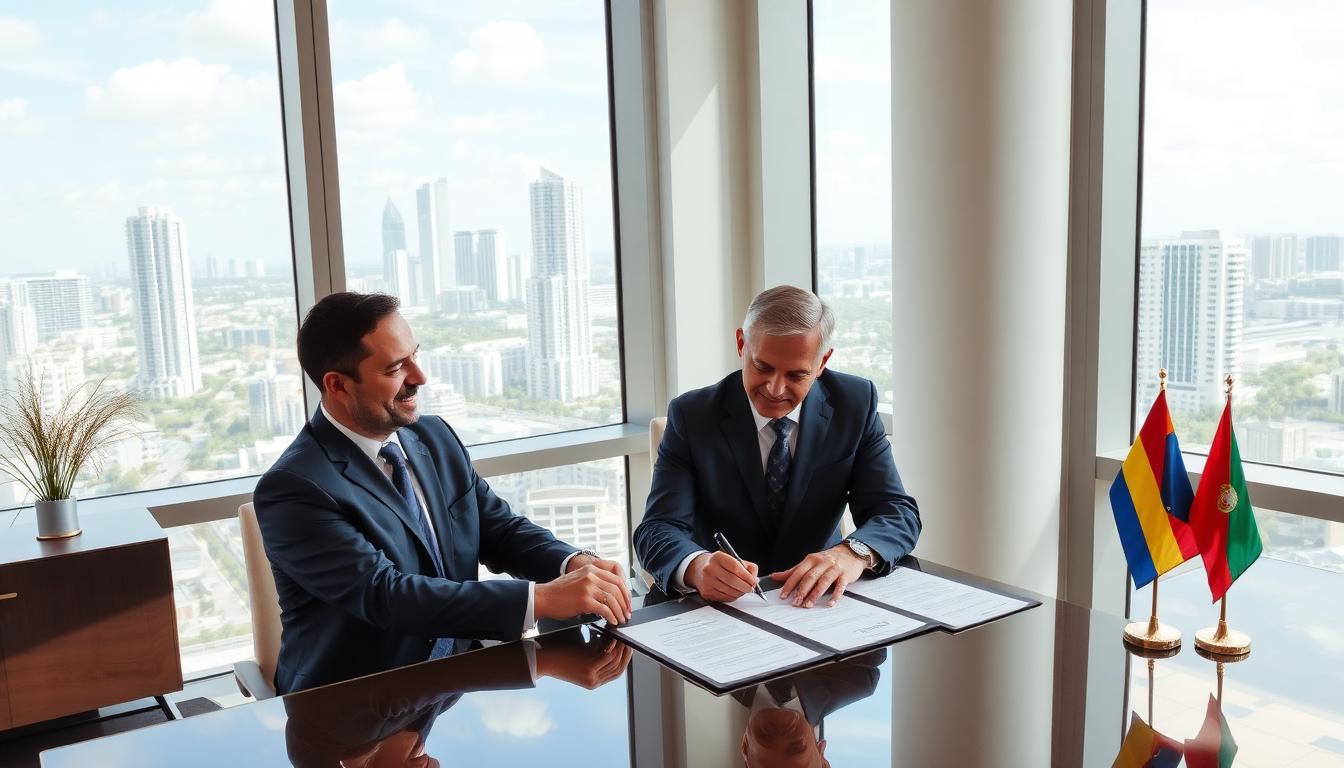
How to Buy Property in Miami as a Foreigner
There are no restrictions on foreign nationals owning U.S. real estate. What decides the outcome is how the purchase is structured, financed and closed — and who represents you on the ground in Miami.
Speak with Javier about an international purchase
Share your goals, timeline and preferred areas. Javier replies personally.
Miami has become one of the most closely watched real estate markets in the world for international buyers. Whether you are relocating from Argentina, Colombia, Brazil, Canada or Europe, this guide expands on Javier's Miami buying advisory and walks through every stage of the purchase — legal requirements, financing, taxes, remote closings and choosing the right areas for your goals.
What foreign nationals can and cannot assume
Ownership itself is open. The details that vary — tax identification, financing, holding structure and building-level approval — are what deserve careful review before you commit to a property.
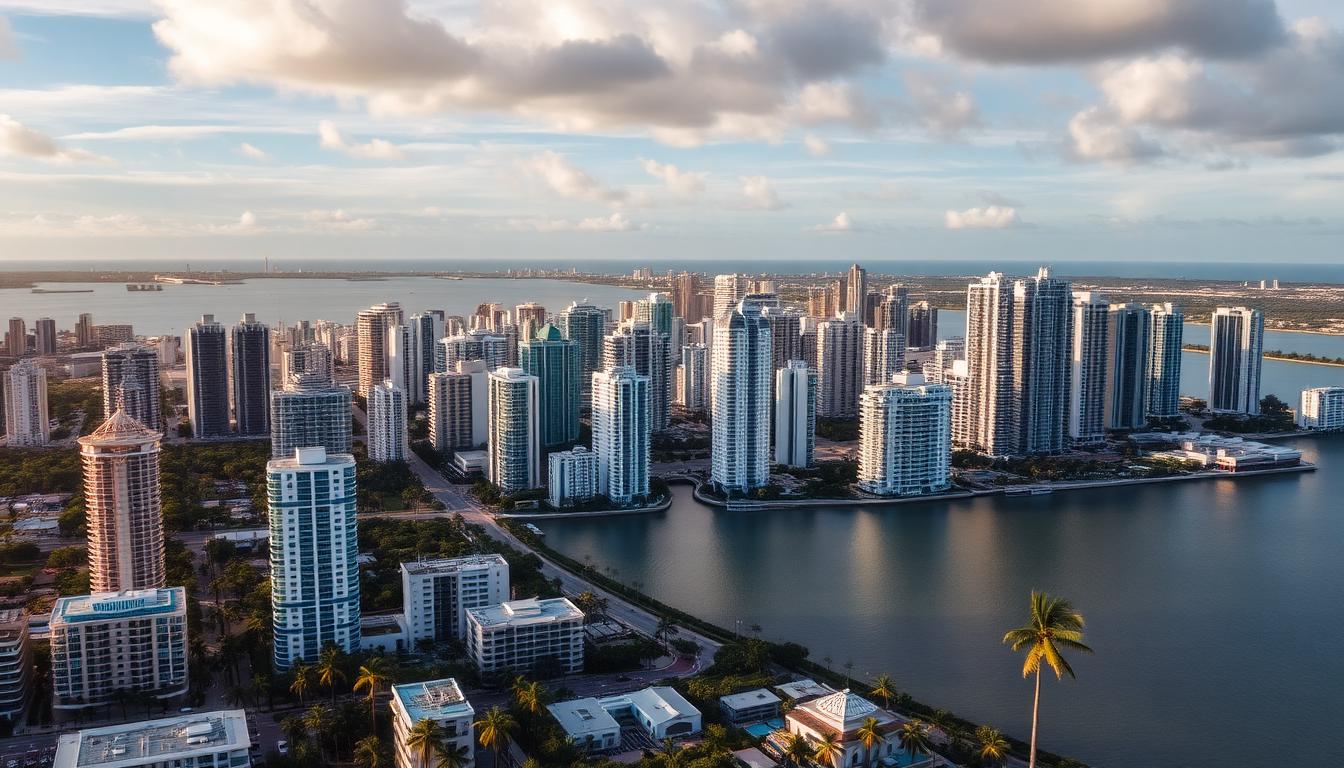
No ownership restriction, but property-specific rules still apply
Non-citizens may buy, own, sell and rent residential and commercial property anywhere in the United States. Individual condominium and homeowner associations may still impose their own approval, leasing or occupancy rules, so those documents should be reviewed for each building rather than assumed from the neighborhood. Working with experienced Miami real estate agents who handle cross-border transactions keeps that review structured.
Tax identification and reporting
Foreign buyers typically obtain a U.S. Individual Taxpayer Identification Number (ITIN) for tax reporting connected to ownership and rental income. Requirements and processing times are set by the IRS and should be confirmed with a qualified tax advisor rather than estimated in advance.
Holding structure is a legal and tax decision
Many international owners hold Miami property through an LLC or trust for liability, privacy and estate-planning reasons. The right structure depends on your country of residence, treaty position and financing plan — it should be decided with a Florida real estate attorney and a cross-border tax advisor, not chosen from a template.
Title, escrow and disclosure
Florida's title insurance system, escrowed deposits and written disclosure framework give international purchasers a documented record of what they are acquiring. Title commitments, association estoppels and inspection findings are the diligence record worth reading closely.
This page is general information about the Miami purchase process, not legal, immigration or tax advice. Confirm your own position with qualified counsel and a tax advisor before you transact.

Define the objective before the search
A primary residence, a second home used a few months a year, and a property acquired mainly for rental income lead to different buildings, different areas and different holding structures. Naming the objective first removes most of the noise from the search.
Second-home buyers usually weigh building services, lock-and-leave security and travel access. Buyers focused on rental use need to read the association's leasing rules, minimum lease terms and any short-term rental limitation before making an offer — these vary building by building and city by city.
Where the property will eventually be sold, resold or passed on also belongs in the first conversation, because it influences the ownership structure chosen at purchase.
How an international purchase actually runs
The framework matches a domestic purchase, with additional coordination for identification, funds transfer and remote signature.
- 01
Define your objectives
Personal use, rental use, long-term hold or a combination. This drives area, property type and ownership structure.
- 02
Assemble the team
A broker experienced with international transactions, a Florida-licensed real estate attorney, and a CPA familiar with cross-border taxation. If financing, a lender offering foreign national programs.
- 03
Obtain an ITIN
Apply through the IRS for the tax identification number used in filings related to ownership and rental income.
- 04
Search and diligence
Javier identifies properties matching your criteria, arranges virtual or in-person viewings, and provides comparable sales, association financials and carrying-cost analysis.
- 05
Offer and negotiation
Price, closing timeline, inspection contingencies and deposit structure are negotiated in writing, with deposits held in escrow.
- 06
Inspections and title review
Inspections and the title commitment confirm condition and that no liens or encumbrances affect the property. Title insurance protects the ownership you are acquiring.
- 07
Funding
Funds are wired to the title company's escrow account. International transfers should be initiated early, since verification can take longer than a domestic wire.
- 08
Closing
Closing takes place in person or remotely with electronic signatures and notarization, and ownership transfers by deed.
Timelines depend on financing, inspection scheduling, association approval and how quickly funds clear. Cash purchases generally close faster than financed ones, but no timeline should be treated as guaranteed.
Areas international buyers ask about most
Each area answers a different question. The right one depends on whether you are buying for lifestyle, for use a few months a year, or to hold and lease.




Reviewing current Miami real estate market conditions area by area is the step most international buyers skip and most often regret skipping.
Foreign national lending, without assumptions
Foreign nationals can obtain mortgage financing in the United States. Several banks and private lenders in South Florida run foreign national loan programs designed for non-resident borrowers.
Down payment, pricing, reserves and available loan terms are set by each lender and program rather than by any market-wide standard, so they should be confirmed directly with the lender before you rely on them. Documentation generally includes proof of income, bank statements, a valid passport and an ITIN or Social Security Number.
Some international banks with U.S. operations offer cross-border lending to existing clients, and portfolio lenders may apply more flexible qualification criteria. Many international buyers purchase with cash instead, which removes lender conditions and shortens the path to closing.
For a deeper look at programs and lending strategy, the guide on financing options for foreign buyers in Miami covers documentation, structure and cross-border programs.
The obligations worth understanding before you buy
Florida has no state income tax, and there is no additional foreign buyer tax. Miami-Dade property taxes are calculated from the assessed value using millage rates adopted each year by the county, municipality and other taxing authorities; the Property Appraiser publishes the rates and assessment that apply to a specific parcel.
If the property generates rental income, that income is subject to U.S. federal income tax. Foreign owners may elect to be taxed on net rental income after deductible expenses instead of the default withholding on gross rent; which election is advantageous depends on the property and should be reviewed with a U.S. tax advisor.
FIRPTA is primarily a foreign seller withholding regime. It matters to you as a buyer mainly because it will apply to your own eventual sale, and because purchasing from a foreign seller triggers a withholding obligation in that transaction.
Foreign nationals owning U.S. real property may also be exposed to U.S. estate tax, with a materially lower exemption threshold than U.S. citizens receive; holding structure can affect that exposure and should be reviewed with qualified counsel. The guide on taxes for foreign property buyers in Florida sets out the full picture.
Purchasing without being in Miami
Florida's electronic notarization framework makes it possible to complete a purchase without traveling to the United States. Virtual tours, digital document review, escrow wires and remote online notarization (RON) cover the mechanics, and a power of attorney can authorize a trusted representative to sign on your behalf if needed.
Even so, many buyers visit at least once during the search. An in-person visit is the most reliable way to judge the building, the block and the daily practicality of the location — details that rarely survive a video walkthrough intact.
Buyers who later reinvest or exit the market can review Javier's Miami selling advisory to understand the full ownership lifecycle.

Choosing who represents you
For an international buyer, representation extends past property selection: coordinating diligence across time zones, reading association documents, managing the escrow and closing sequence, and connecting you with a Florida attorney and a cross-border tax advisor.
Ask any broker for their process on cross-border purchases, their handling of remote closings, and how they document what they find. Javier advises international purchasers and works directly with the client rather than through a handoff.
International Buyer Questions
Can a foreigner buy property in Miami?
Yes. There are no legal restrictions preventing foreign nationals from purchasing residential or commercial real estate in Miami or anywhere in Florida. International buyers from Argentina, Colombia, Brazil, Canada, and Europe routinely acquire properties across Miami-Dade County. The process involves obtaining a U.S. Tax Identification Number (ITIN), selecting legal representation, and working with a qualified real estate agent who understands cross-border transactions. Ownership structures such as LLCs are commonly used for liability protection and estate planning purposes.